Fr Paddy O'Hare sm writes from Dublin, Ireland:
The Return Home
After 57 years abroad, I am resident in Ireland once again. While I am enjoying being “home,” I find it a vastly different place than the one I left. Friends are fewer; many have passed away, and those who remain often face failing health. Conversations, too, feel unfamiliar, rarely straying from the weather or the news. My solution has been the same one that sustained me in Japan and France: making new friends, deepening bonds with my confreres, and devouring the media to catch up on local topics and events. I have realized that it is natural to feel “different.” We cannot simply “be Irish again” as we once were; we are the sum of where we have grown, unique and grateful for the journey.
The Japanese Horizon
When I arrived in Japan in 1969, I loved its many fascinating aspects, yet for the first few years, I very often pined for visits with Irish Columban friends. Looking back, this was part of the strain of culture shock. Despite a warm welcome from the Japanese and my Australian confreres, I needed a “comfort zone.”
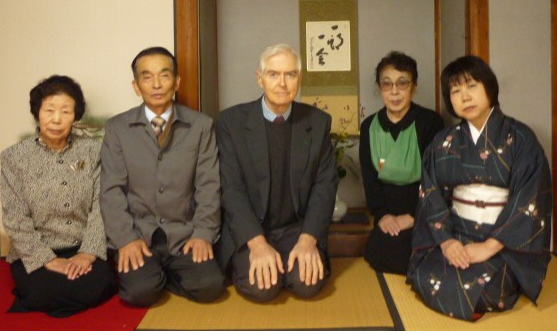
That need shifted after about five years. As the language became mine and parishioners opened their homes, a deeper breakthrough occurred: I realized I could feel as relaxed with some Buddhist priests and their families as I did with my own Catholic community. This interculturality changed how I saw the world. I began to see nature—which I had taken for granted in Ireland—through the Japanese lens, where seasons dictate art, literature, and daily life. Silence and its sounds gradually took on more and more value. I found a new sanctuary in the tranquillity of Buddhist temple gardens, often sitting by carp ponds to prepare my Sunday homilies.
The Lesson of "Wa" and "Hai"
My 44 years in Japan were a continuous workshop. I remember early on being delighted by the constant nodding and repetition of “Hai, hai” (Yes, yes) during meetings. I thought my proposals were a triumph, only to learn later that “Hai” often means, “I hear you,” rather than “I agree.”
I also came to value Wa (Harmony), the pillar supporting Japanese society. All aspects of social life and all human relationships are governed by “Wa”. Acceptance by the group is what everyone seeks. Children and young people are particularly sensitive to this core value. Preserving the group’s harmony is all-important. As Marists, we practiced this by working sensitively within the local Diocese, careful not to appear as an opposition. For instance, we never tried to organize sessions to promote Marist vocations, because the diocese had so few young men in formation. We devoted a lot of attention to sharing Marist spirituality, even leading groups of lay-people three times to visit the Marist places of origin in France, but refrained from forming actual lay Marist groups. I still wonder if we chose the best strategy for the long-term "Work of Mary."
The Ministry of "Hanging Around"
In 2013, I moved to Toulon, France. Starting school ministry at age 74 was daunting, but I discovered how much the “ministry of hanging around” was appreciated and welcomed.This reminded me of a gentle rebuke I received years earlier in Japan. At age 40, I was working ten-hour days, proud of my busyness, until a parishioner gently told me he had an urgent matter but was too embarrassed to interrupt my "work." It was a profound lesson in availability. In the teachers' rooms of Toulon, I often used to practice simply being present with a listening ear—a ministry much easier to fulfil in one's 80s than in one's 40s!
A Grateful Horizon
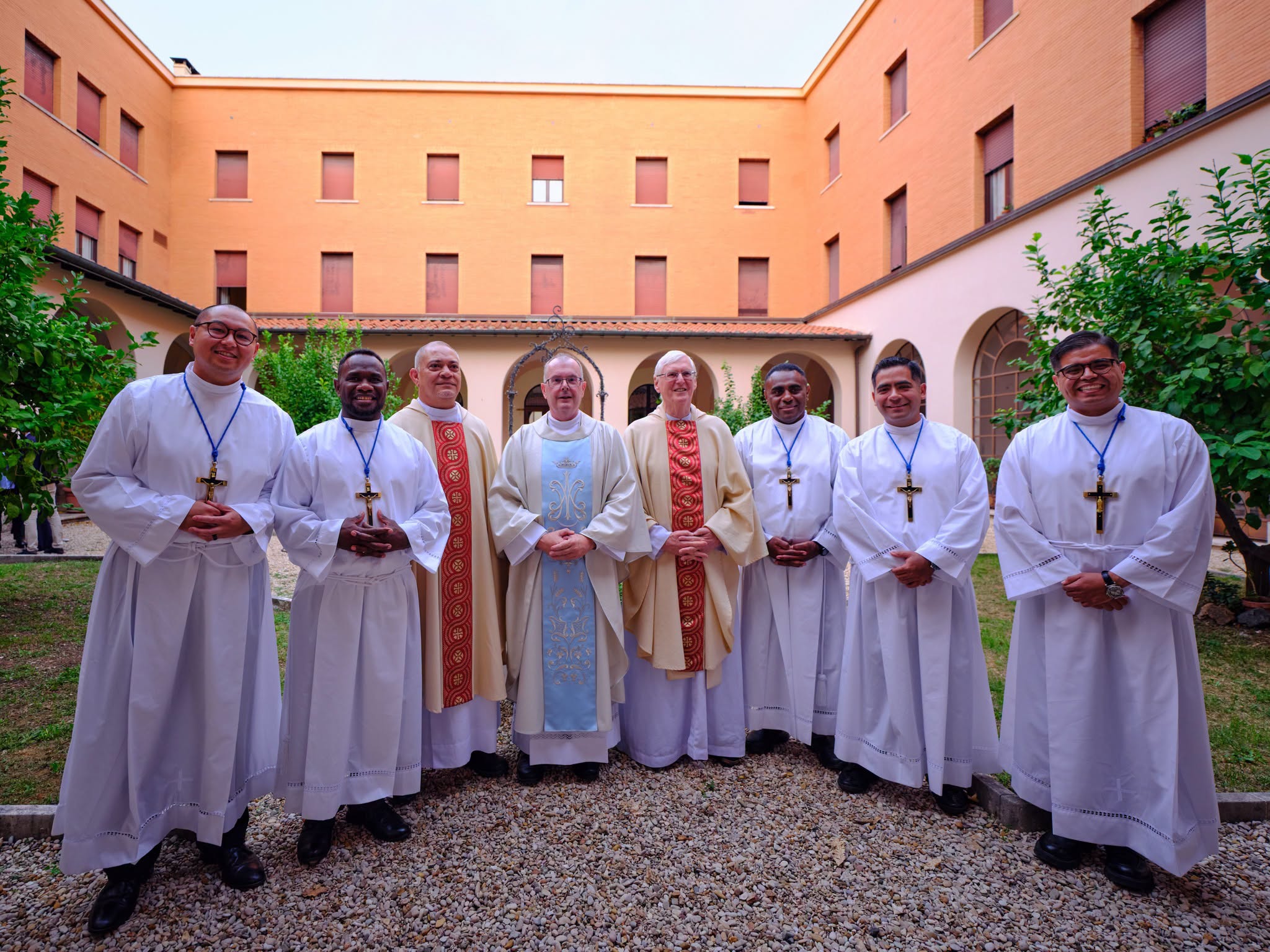
Towards the end of 2019 as the Covid haze began to lift, I received a surprise request to join the Novitiate team and my journey continued to the Tuscan hills, living among young novices near the sites of St. Francis for one year, and finally to Rome for these last three years, accompanying student priests at Monteverde. Living in these international communities, all bustling with the exuberance of youth, has been a period of spiritual renewal. Though our numbers may be fewer than in former years, Marist life is flourishing. Hope is shared, and the enthusiasm for continuing Mary’s Work is as strong as ever. I am profoundly grateful to have received so much in life and to have been graced by the friendship of so many Marist confreres and friends throughout the journey.